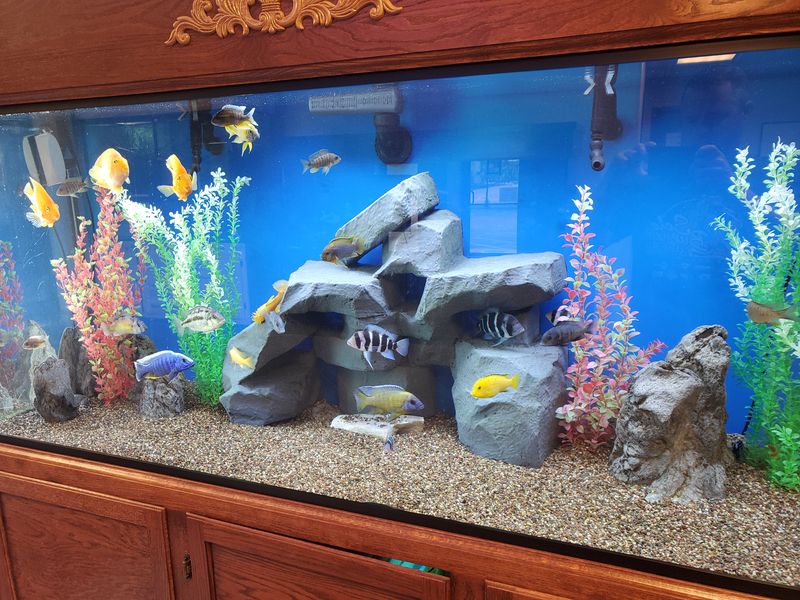
Setting taking place a tank is a rebellious joy. You purchase the glass. You choose the filter. subsequently you gaze at the bottom. It looks naked. Empty. You know you need sand, but how much? If you guess, you fail. Ive been there. I considering dumped forty pounds of black quartz into a twenty-gallon tank because it "looked right." Within a week, my birds were suffocating. The bottom of the tank looked once a lunar wasteland. It was a disaster. To avoid my mistakes, you must learn to calculate substrate for aquarium needs properly from the start. Finding the ideal depth of sand isnt just virtually looking pretty. Its more or less biology. Its practically not letting your fish live in a swamp of their own waste.
The logic seems simple. buy sand. Pour sand. But interchange tanks have every other souls. A cichlid tank needs a alternative vibe than a high-tech planted scape. You aren't just buying floor covering. You are building a biological filter. This is where the aquarium sand amount becomes critical. If its too thin, your plants float away. If its too thick, you get those scary bubbles volume of fish tank calculator toxic gas. Lets dive into the math, the mess, and the illusion of getting your floor just right.
The Science of Sinking: Why Substrate severity Is More Than Just AestheticsMost people think sand is just for show. It isn't. Its a home for beneficial bacteria.